Key Environmental Challenges
The water quality in the North Fork is severely compromised by a combination of physical and historical factors:
1. Lack of Water Flow
Unlike the main river, the North Fork has poor tidal exchange and circulation. Because shallow areas have not been dredged, water pools and stagnates, compounding the concentration of pathogens and pollutants.
2. Historic Sludge & Waste
For decades, the North Fork was used as an unregulated disposal corridor for industrial run-off, human sewage overflows, and animal waste. A thick layer of toxic organic sludge sits on the riverbed, continuously degrading water quality and generating noxious gases.
3. Garbage and Marine Debris
Floatable trash, plastic bottles, and urban debris regularly collect in the slow-moving eddies of the North Fork. Without regular trash collection boats or debris traps, garbage remains trapped along the shorelines.
"Restoring water quality, flow, and vegetation will turn the North Fork into a beautiful asset for recreation and community enjoyment."
Sweeting Estates Field Documentation
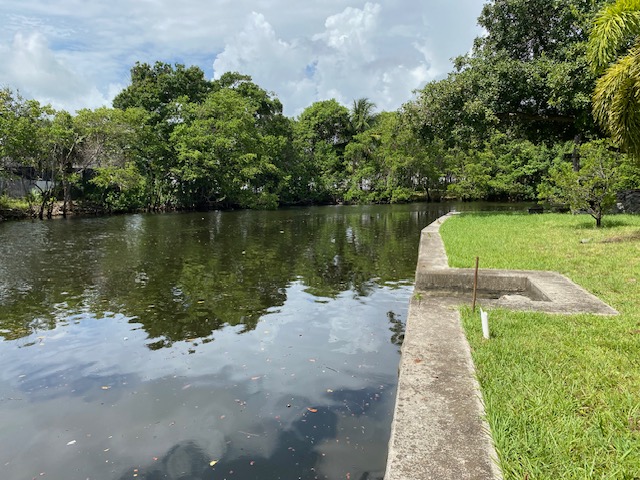
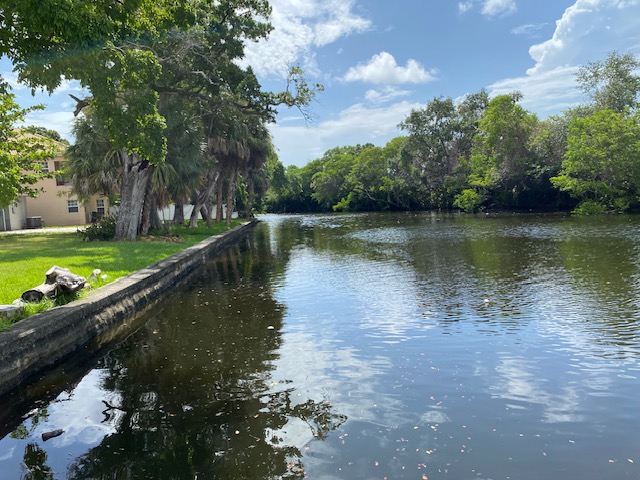
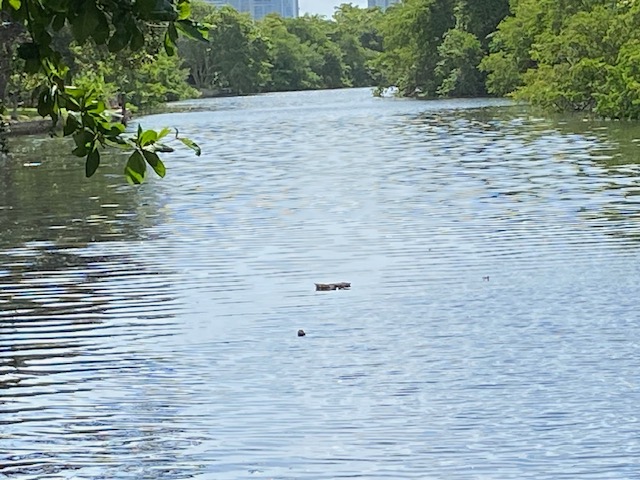
On-site photographic evidence from the Sweeting Estates reach (west of Broward Blvd and 6th St / Sistrunk Blvd), documenting organic sludge, surface scum, and floating debris.